
Half of gardening's mysteries are soil questions wearing plant costumes: the lavender that rotted (clay), the hydrangea that wilts weekly (sand), the bed where everything sulks at half size (compaction, or a pH surprise). Yet soil is the part of the garden people investigate least — partly because testing sounds like laboratories, partly because the improvement aisle sells more confusion than clarity.
Both obstacles dissolve on inspection. The tests that matter most are free — a jam jar, a squeeze, a hole full of water, and ten observant minutes — and the improvement that matters most is one substance applied one way: organic matter, on top, every year. This guide runs the diagnostics in order, handles pH and nutrients with the honesty the kits' packaging skips, and then walks the two great improvement projects — clay and sand — including the expensive myth to avoid.
First, the Free Tests
The jar test: what is your soil made of?
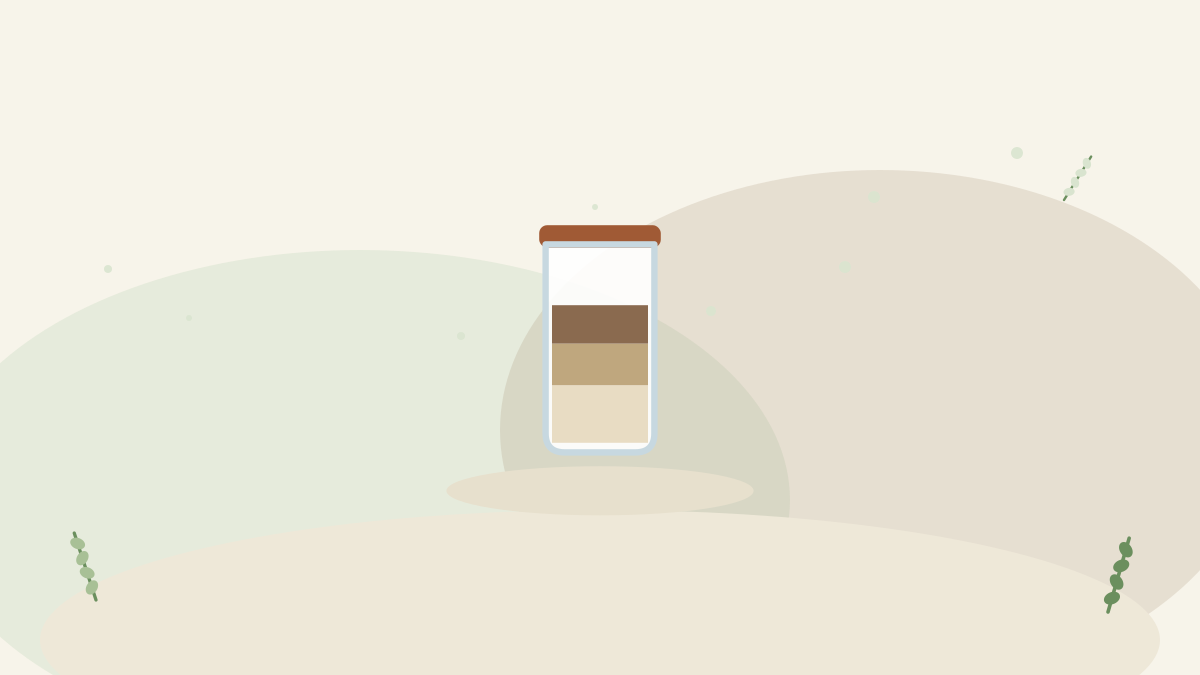
Fill a straight-sided jar a third with soil (from 10–15 cm down, roots and stones picked out), top up with water, a drop of dish soap, shake hard, and stand it somewhere undisturbed for a day or two. The particles settle by weight into readable layers: sand on the bottom (settles in a minute), silt in the middle (hours), clay on top (a day or more), with organic crumbs floating. Eyeball the proportions and you have your soil's texture named: mostly bottom layer, sandy; mostly top, clay; a balanced stack around 40-40-20, the loam everyone was promised. This one jar explains years of watering and drainage behavior.
The squeeze and ribbon
The field version, familiar from the spring playbook: a moist handful squeezed — sandy soil falls apart, loam forms a crumbly ball, clay forms a shiny ball that ribbons when pressed between thumb and finger (the longer the ribbon extrudes before breaking, the heavier the clay). Thirty seconds, no jar, accurate enough to plan by.
The drainage hole
Dig a hole a spade deep, fill it with water, let it drain, fill again, and time the second draining: gone within a few hours, free-draining (sandy end); overnight, workable; standing a day or more, a drainage problem that no plant list ignores — and the flag for the clay program below, or for raised beds, or for embracing the bog garden nature is proposing.
Read what is already growing
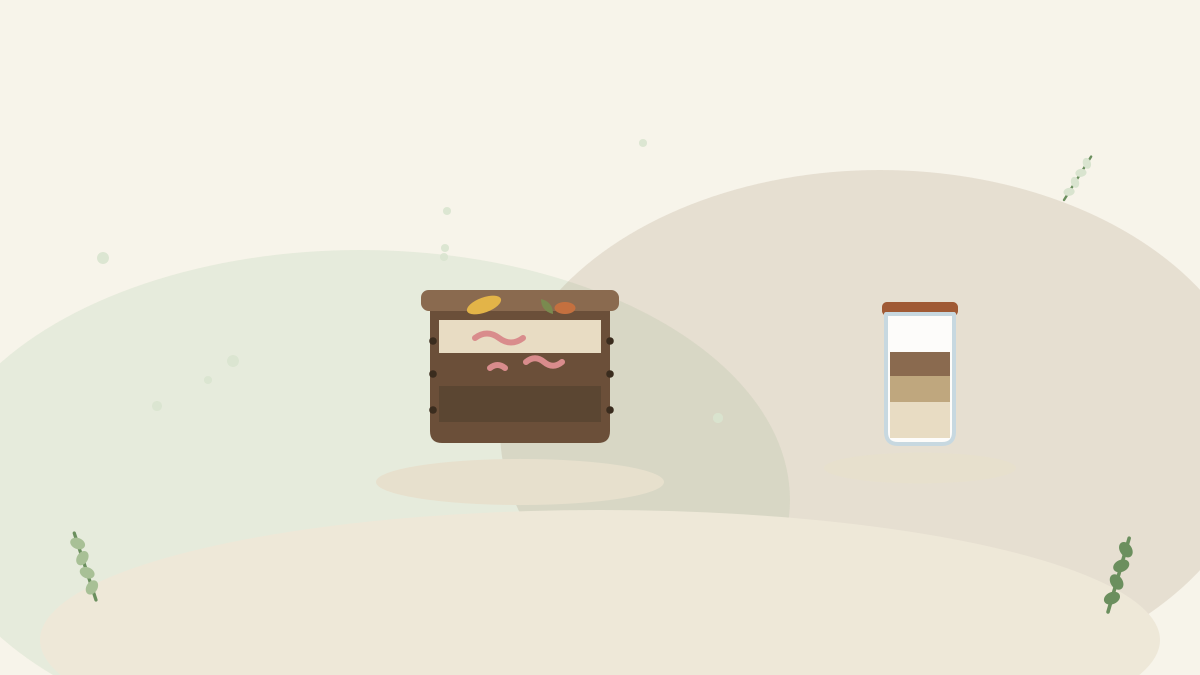
Ten observant minutes finish the audit: worm count (a spadeful of decent soil should show several — worms are the honest inspectors of structure and organic matter); the resident weeds as rough witnesses (lush nettles flag fertility; moss and rushes flag wet; a thriving weed population of any kind at least proves the ground grows things); and the neighbors' gardens as the district's soil report, free for the walking.
Watch it through a year
The tests photograph a moment; a season films the truth. Note where snow melts first (warm spots), where puddles linger (compaction or clay), which bed cracks in August (clay again, telling on itself), and where frost sits latest — the observation layer that turns one weekend of testing into a private soil map no laboratory sells.
pH: One Test, Mostly Peace
pH decides which nutrients dissolve into root-available form — the reason it matters and the whole reason chlorotic yellow leaves appear on acid-lovers planted in limy ground. The FAQ carries the honest verdict: test once with a cheap kit (the simple color-comparison types are adequate; budget probe meters vary in reliability), expect the comfortable 6–7 band, and treat surprises as plant-selection information first, correction projects second. Where correction is genuinely wanted: garden lime raises pH on acid soil (autumn application, modest doses, retest before repeating), and sulfur lowers it slowly on alkaline — but limy soil reverts persistently, which is why the experienced answer to "how do I grow blueberries on chalk" is a container of ericaceous compost, not a chemistry campaign. Plant the ground you have; amend pots for the exceptions.
Nutrients: The Honest Hierarchy
The FAQ sets the frame — home kits are rough, symptoms overlap, lab tests answer real questions — and the working symptom table below comes with its own warning label: check water, drainage, pH, and compaction before blaming nutrition, because they impersonate deficiency daily.
| Sign (with lookalikes ruled out) | Classic reading | Sensible response |
|---|---|---|
| Older leaves uniformly pale-yellow, growth small | Nitrogen shortfall | Compost topping; balanced organic feed in season |
| Purplish tints, stunted early growth in cold spring | Phosphorus lockout — usually cold, not absence | Patience and warmth first; rarely a bag |
| Browning, scorched leaf edges; poor fruiting | Potassium shortfall | High-K feed for fruiters; compost long-term |
| Yellow between green veins on new leaves | Iron unavailable — almost always a pH symptom | Right plant or ericaceous pot, not iron sprinkled on chalk |
| Blossom end rot on tomatoes/peppers | Calcium transport, i.e. watering swings | The steady-water fix from the fruit guides |
The quiet takeaway: beds on the annual-compost program almost never appear in this table. Which brings us to the prescription.
The Universal Prescription: Organic Matter
The apparent paradox that organizes all soil improvement: the same substance fixes opposite problems. In clay, organic matter's spongy fragments hold the fine particles apart, creating the pores and crumbs that water and roots were begging for; in sand, the same sponge holds water and nutrients that were draining straight through. Compost, leaf mold, and rotted manure are not fertilizers that happen to help structure — they are structure that happens to feed. The delivery method is the no-dig habit the composting playbook established: 3–5 cm on the surface, every year, and let the worms file it — no rototilling (which shatters structure and wakes weed seeds for a fluffy fortnight followed by worse compaction), no trenching, no ceremony. The FAQ's timeline applies: visible in one season, transformative by year three, compounding forever.
The Living Half of Soil
The tests above measure the mineral skeleton; the working half of soil is alive — worms, fungi, and a microbial workforce that builds crumb structure, cycles nutrients into root-available form, and partners directly with plants (the fungal networks that trade soil nutrients for root sugars are not poetry; they are plumbing). This is the deepest reason the no-dig, compost-on-top method outperforms the rototiller: every inversion tears the fungal threads, buries the surface workforce, and burns off organic matter — a sugar rush of released fertility followed by a poorer, tighter soil. Feed the surface, leave the layers, and the workforce does the incorporation on night shift. The worm count from the audit is really a census of this economy: more worms next year than this year is the only soil report card that matters.
Two Beds, Diagnosed: Worked Examples
- Bed A: jar test reads two-thirds bottom layer; the squeeze crumbles; the drainage hole empties in two hours; the bed dries out days after rain and the courgettes wilt by August. Verdict: sandy, hungry, thirsty. Program: compost every autumn, mulch every spring lid-tight, drip or little-and-often watering, green manure on winter bareness — and lean into it: the carrots, lavender, and early sowings that clay gardeners envy.
- Bed B: jar shows a thick top layer settling for two days; the squeeze ribbons like pastry; the drainage hole holds water overnight; spring digging (regretted) left brick-like clods. Verdict: heavy clay, compacted by wet-working. Program: no tools until the squeeze test passes, one fork-loosening session, 5 cm of compost now and annually, permanent paths laid so feet never touch beds — and the roses and fruit trees that will love it by year three, with a raised bed for this year's impatient salads.
Same prescription, opposite soils, different accents — which is the whole diagnostic payoff: the tests do not change what you buy (compost, always) so much as how you schedule, water, and plant around it.
The Clay Program
- Retire the sand idea — the FAQ's concrete warning, first and firmly.
- Organic matter on top, generously and annually — the prescription at full dose, autumn being ideal (winter and the worms do the incorporation).
- Never work it wet: the squeeze test rules every date; one afternoon of wet-clay digging makes clods a season cannot undo.
- Loosen compaction once, without inverting: a garden fork (or broadfork) driven in and rocked every 20 cm opens smeared layers while leaving soil life in place — a one-time or rare intervention, not a ritual.
- Separate feet from beds forever: permanent beds and paths — the raised-bed logic with or without the frames — because compaction is mostly footsteps, and clay remembers every one.
- Plant with clay, meanwhile: roses, hydrangeas, and most fruit trees relish clay's held fertility; the drainage-lovers wait for year three or live in pots and raised beds — the honest shortcut for impatient ambitions.
The Sand Program
- The same prescription, plus a lid: annual organic matter builds the sponge, and mulch on top of everything slows the evaporation that sandy beds cannot afford — the mulching playbook working overtime here.
- Water and feed little-and-often: sandy soil holds neither in reserve, so one deep weekly soak leaches past the roots; smaller, more frequent drinks and modest regular feeding match the soil's short memory.
- Green manures on any bare bed — sandy ground left naked loses its organic matter fastest; a cover crop banks it instead.
- Enjoy the compensations honestly: earliest workable spring soil, root crops that grow straight and lift clean, drought-lovers thriving unaided, and no wet-soil waiting — sand is the easy soil that merely runs a constant grocery bill.
Compaction: The Invisible Third Problem
Any texture compacts under traffic — the symptoms are puddling after rain, roots running sideways, a fork that stops at a hard pan — and the treatment repeats the clay program's mechanics: fork-loosening without turning, organic matter above, and traffic redesigned onto permanent paths. Lawns compact too (the bare desire-line diagnosis): autumn forking and top-dressing is the turf version. Prevention costs nothing and is the whole game: soil never walked on wet stays open for decades.
Containers and Raised Beds: The Imported Answer
Where ground soil is genuinely hostile — builder's rubble, solid pan, a paved courtyard — the honest move is importing the growing medium: raised beds filled by the layered method from the build guide, and containers running on potting mix. The testing habits still apply at their scale (drainage always; refreshed compost as the "annual organic matter"), and the ground beneath a raised bed quietly improves in parallel as worms commute upward — the soil program running itself while you garden above it.
The Bottom Line
Spend one weekend knowing your ground: the jar, the squeeze, the drainage hole, a worm count, and one cheap pH test — then let the results choose plants before they choose products. Whatever the diagnosis, the prescription barely changes: organic matter on the surface every year, wet soil never worked or walked, compaction forked open once and routed around forever, and the extremes served by raised beds and pots rather than chemistry campaigns. Clay becomes crumb, sand learns to hold, and the mysterious bed starts growing — not because you fought your soil, but because you finally introduced yourself to it.
Comments
No comments yet. Be the first to share your experience.